
 Search
 Posted in Personal Injury Attorney, Sports Injuries
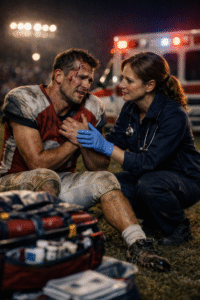
A sports injury can turn your life upside down in seconds. One moment you’re playing, training, coaching, or watching from the sidelines. The next, you’re dealing with a painful injury, medical bills, time off work, and uncertainty about what comes next. In Florida, not every sports injury leads to a legal claim. But when your injury happened because someone failed to follow basic safety rules, used defective equipment, or ignored dangerous conditions, you may have the right to pursue compensation.
A sports injury lawyer at Jeff Murphy Law can help you understand whether you have a case, identify who may be legally responsible, and fight for the full financial recovery you deserve.
When a Sports Injury Becomes a Personal Injury Case
Sports injury law is a specialized area of personal injury law that addresses injuries occurring during athletic and recreational activities. You may have a valid claim if your injury happened because of:
- Unsafe playing conditions
- Negligent supervision or coaching
- Defective sports equipment
- Poor facility maintenance
- Reckless or intentional conduct
- Failure to provide proper medical care or emergency response
Florida law recognizes that athletes do not automatically give up their legal rights simply because they participate in a sport. When negligence contributes to an injury, liability may still exist, even if the activity itself carries inherent risk. A knowledgeable sports injury lawyer can determine whether your injury falls within those legal boundaries and whether compensation may be available.
Common Types of Sports Injuries
Sports injury claims often involve serious injuries that require extended medical treatment and rehabilitation. Common injuries include:
- Traumatic brain injuries
- Spinal cord injuries
- Broken bones and fractures
- Torn ACL, MCL, and other ligament injuries
- Shoulder dislocations and rotator cuff tears
- Neck and back injuries
- Facial injuries and dental trauma
- Heat stroke and dehydration complications
Even if your injury seems “manageable” at first, many sports injuries worsen over time, especially those involving the head, spine, or joints.
Who Can Be Liable for a Sports Injury?
Sports injury cases often involve more than one responsible party. A sports injury attorney can investigate the situation and determine who may be legally liable. Depending on the facts, responsible parties may include:
Property Owners and Facility Operators: This may include gyms, sports complexes, schools, and recreational facilities. If they failed to maintain safe conditions, they may be liable. Examples include:
- Wet floors
- Poor lighting
- Unsafe turf or flooring
- Broken bleachers
- Missing warning signs
Coaches, Trainers, and Supervisors: If an adult in charge ignored safety rules, failed to supervise properly, or pressured an injured player to continue, they may share responsibility.
Schools and Youth Sports Organizations: Some injuries involve negligent supervision, unsafe equipment, or failure to follow established safety procedures.
Equipment Manufacturers: If your injury was caused by defective gear, such as a helmet, pads, or safety equipment, you may have a product liability claim.
Another Player: Some sports injuries are caused by reckless or intentional conduct, not normal competition.
What CAN a Sports Injury Lawyer Can Do for ME?
A lawyer for sports injury provides support at every stage of the process. From the moment you seek legal help, your attorney works to protect your rights and relieve the burden you may be facing. Your sports injury lawyer in Tampa, FL will begin by investigating the incident, collecting evidence such as incident reports, witness statements, video footage, and medical records. They will consult with medical professionals and experts when necessary to establish how the injury occurred and its long-term impact.
 A sports injury lawyer also handles communication with insurance companies. Insurers often attempt to minimize claims by arguing that the injured athlete “assumed the risk” or that the injury was unavoidable. An experienced attorney understands how to counter these arguments and pursue full compensation.
If a fair settlement cannot be reached, your lawyer will prepare the case for litigation and represent you in court.
What Compensation Can You Recover After a Sports Injury?
If negligence caused your injury, you may be able to recover compensation for both financial losses and the personal impact the injury has had on your life. Damages may include:
- Emergency medical treatment
- Surgery and rehabilitation
- Physical therapy
- Prescription medications
- Future medical care
- Lost wages and reduced earning ability
- Pain and suffering
- Emotional distress
- Permanent disability or long-term impairment
A serious sports injury can affect your career, mobility, mental health, and quality of life. Your sports injury claim should reflect the full scope of what you have endured.
Florida’s Assumption of Risk Rule
One of the most common defenses in sports injury cases is “assumption of risk.” This legal doctrine holds that participants accept certain dangers inherent to a sport, such as physical contact in football or falls in gymnastics.
However, assumption of risk does not protect defendants from liability when injuries result from negligence, unsafe conditions, or conduct beyond what is reasonably expected in the sport. For example, a poorly maintained field, defective equipment, or lack of supervision may still create legal responsibility. A knowledgeable attorney can evaluate whether the assumption of risk truly applies or whether it is being improperly used to deny your claim.
How Long Do You Have to File a Sports Injury Claim in Florida?
Florida has a legal deadline called the statute of limitations. If you wait too long, you may lose your right to pursue compensation entirely. Because deadlines can vary based on the facts, and because evidence can disappear quickly, it is always best to speak with a lawyer as soon as possible after an injury.
Sports Injury Claims in Florida: FAQs
Can I sue if I signed a waiver?
Sometimes, yes. Waivers may not protect against gross negligence, reckless conduct, or unsafe conditions. It depends on how the injury occurred and how the waiver was written.
Can I sue a school or youth sports program?
In some cases, yes. These claims may involve special legal rules, but negligence claims against schools, organizations, or supervisors can be possible depending on the facts.
What if the injury happened during a “normal” play?
If the injury was truly part of normal gameplay, you may not have a claim. But if it involved reckless behavior, unsafe conditions, or failure to enforce safety rules, you may.
What if I was injured as a spectator?
Spectator injuries are often stronger than player injuries, especially when the injury was caused by unsafe seating, falling objects, poor crowd control, or facility hazards.
Jeff Murphy Law Has Experience Handling Personal Injury Lawsuits Just Like Yours
At Jeff Murphy Law, we represent individuals and families injured due to negligence in athletic and recreational settings throughout Tampa and the surrounding areas. Our firm understands the physical, emotional, and financial toll a serious sports injury can cause.
Sports injuries can impact every part of your life, from your health to your financial stability. You should not have to shoulder that burden alone. A skilled sports injury lawyer can provide guidance, advocacy, and peace of mind during a difficult time. If you or a loved one has suffered a sports-related injury in Tampa, contact Jeff Murphy Law today to schedule a free consultation and learn how our firm can help you move forward.
